
King and Queen Arrest Warrants Start With Probable Cause
Virginia lets a judge, clerk, or magistrate issue arrest process from Circuit, General District, or JDR Court. A sworn complaint supplies the facts. The judicial officer weighs them. If probable cause holds, a warrant or summons issues, and the paper names the court and the process it carries. King and Queen County readers should note one distinction. A bench warrant is different: it answers a missed appearance or another order problem in a case already open.
Arrest Warrants in King and Queen County
An arrest warrant lets an officer take someone into custody on a criminal charge once the required review is done. King and Queen County has no city police layer of its own. The Sheriff's Office is the main local process agency. State police and other authorized officers can also execute process. A felony indictment or presentment may produce a Circuit Court capias. Adult misdemeanor process usually routes through GDC. Go by the court printed on the paper, because the return court controls the case and its next step.
King and Queen Arrest Warrant Complaint Form DC-311
The official DC-311 criminal complaint lays out the fields used at the complaint stage. You will see court and locality, offense date and place, sworn facts, complainant, and the accused's identity. Authorization matters when a non-law-enforcement complainant brings a felony allegation. Treat the blank form as a schema only. It is not evidence that any King and Queen County warrant issued. A warrant or summons takes action by the judge or magistrate, and sealed or restricted filings may never reach a public search.
What a King and Queen County Arrest Warrant Contains
Virginia forms show the case and service fields a court file may hold. King and Queen County's local warrant-number format is not published. A public OCIS result exposes only a subset of these details. Rather than guessing status from a label, ask the clerk for the case identifier and the process itself.
| Case number | Assigned by the clerk; no King and Queen warrant format was published. |
|---|---|
| Charge and Code | Offense description, date, and Virginia Code section when entered. |
| Issuing court | Circuit, General District, or JDR, depending on jurisdiction. |
| Bail direction | Set by a judge or magistrate; the local amount is case-specific. |
| Service return | May record officer, agency, execution date, and return information. |
| Next hearing | Ask the clerk for the current appearance date and location. |
Local warrant format not published Statewide examples are not a verified county prefix list.
King and Queen Warrant Service and Return Sequence
Once the court or magistrate issues process, an authorized officer may execute it anywhere in Virginia. The Sheriff's Office lists serving civil and criminal process as part of its mission. A jail officer can execute process on someone already held in a regional jail. Virginia Rule 7C:3 covers notice of the charge. It also requires a copy of the process when practicable. Service then creates a return entry for the court. OCIS update timing is not published, so keep the paperwork and confirm the case with the clerk.
How King and Queen County Arrest Warrants Are Served
The King and Queen Sheriff's Office is the local county service agency. State police may also execute process. The county has no incorporated towns. No municipal police roster exists to check. The regional jail may handle process for someone already in custody. After an arrest, the person goes before a judicial officer. That officer decides release or bail. The county publishes no walk-in surrender procedure, booking schedule, bond window, or same-day release timetable.
Virginia Service Rules for King and Queen Warrants
Virginia Code § 19.2-76 explains where authorized officers may execute process and allows a jail officer to act on process for someone already in jail. A King and Queen County service question can involve more than the sheriff. Virginia Code § 2.2-3706 draws a different line. It separates adult-arrestee identity from investigative files. The statute is not a warrant list or a person's record.
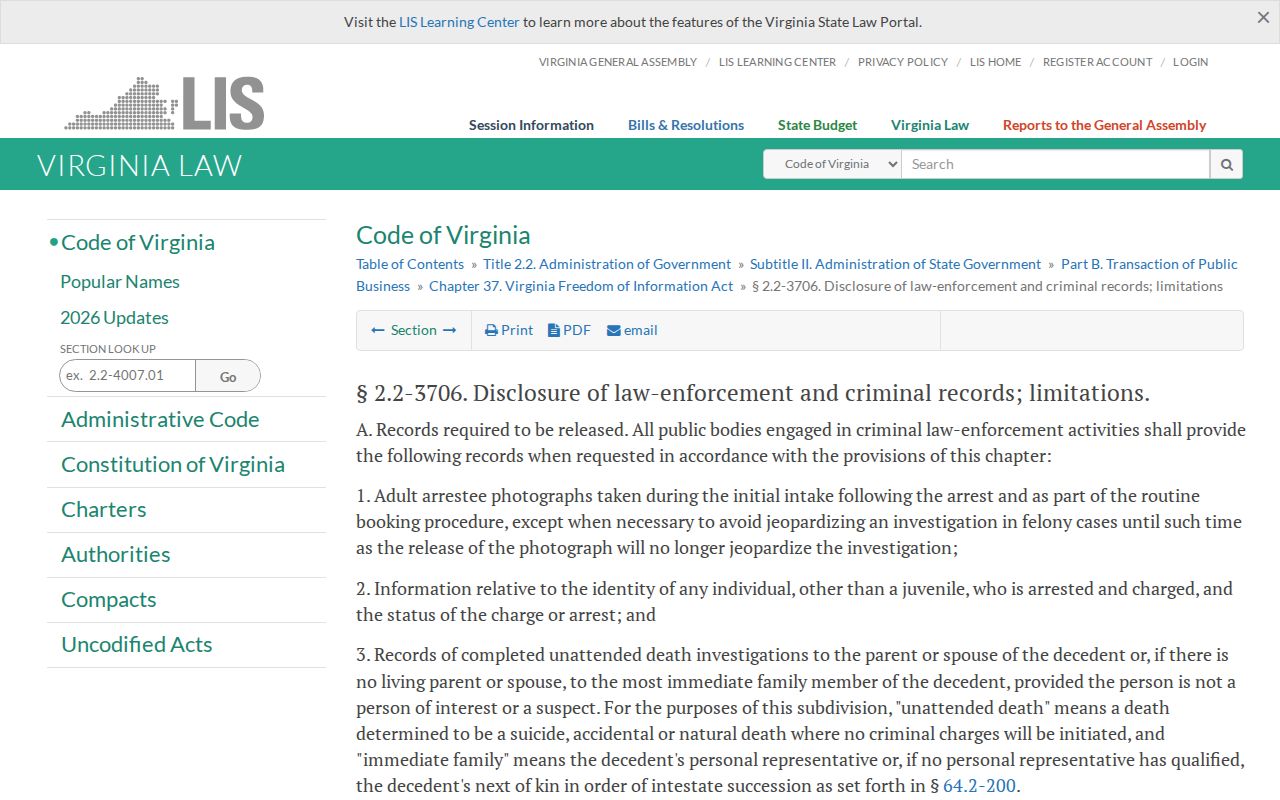
Read Virginia Code § 2.2-3706 for the official public-record language.
Arrest Warrants, Summonses, and Bench Warrants
Each paper does different work. A summons just directs a person to appear. In King and Queen County, an arrest warrant authorizes custody after probable-cause review, and a bench warrant answers a missed appearance or an order violation; the next step follows the process actually issued.
| Feature | Arrest Warrant | Summons | Bench Warrant |
|---|---|---|---|
| Basis | Probable cause on a criminal complaint | Order to appear on a charge | Missed appearance or compliance issue |
| Issuer | Judge or magistrate | Court or authorized officer | Return court or judge |
| Record context | New criminal process | Scheduled appearance | Existing case or court order |
| Response | Confirm process and ask about counsel, recall, or bail | Attend on the date shown | Ask the court about recall or reset |
King and Queen Arrest Warrant Questions Before Appearance
Think a warrant might exist? Call the return clerk or an attorney before walking into any office. Ask whether the process is unserved, whether a motion or recall is available, whether a magistrate will set bail, and where a voluntary appearance is accepted. The Sheriff's Office can answer service routing questions. It cannot replace a court's recall order. A King and Queen County clerk can explain procedure but cannot give legal advice.
What to Do If There Is a Warrant for You
First confirm the court, case number, charge, and process status. A voluntary appearance, bond, recognizance, or motion to recall may be available, but local procedure and any amount depend on the case. Get legal counsel before appearing. Request the next date or order in writing. After an arrest, the Middle Peninsula Regional Security Center may answer custody questions. Its inmate interface is not a warrant status database, and federal or out-of-state process needs a separate inquiry with the issuing jurisdiction; King and Queen County readers should keep that line clear.
Important: Confirm the return court’s instructions and speak with counsel before a voluntary appearance; local sources do not promise a walk-in path or same-day release.
For broader help, see the King and Queen County warrant-resolution steps, which also cover clerk confirmation and written proof.